
A website for my brother's business
I recorded how my brother actually sells window resealing, then turned his own pitch into the strategy, design, and copy for his website.

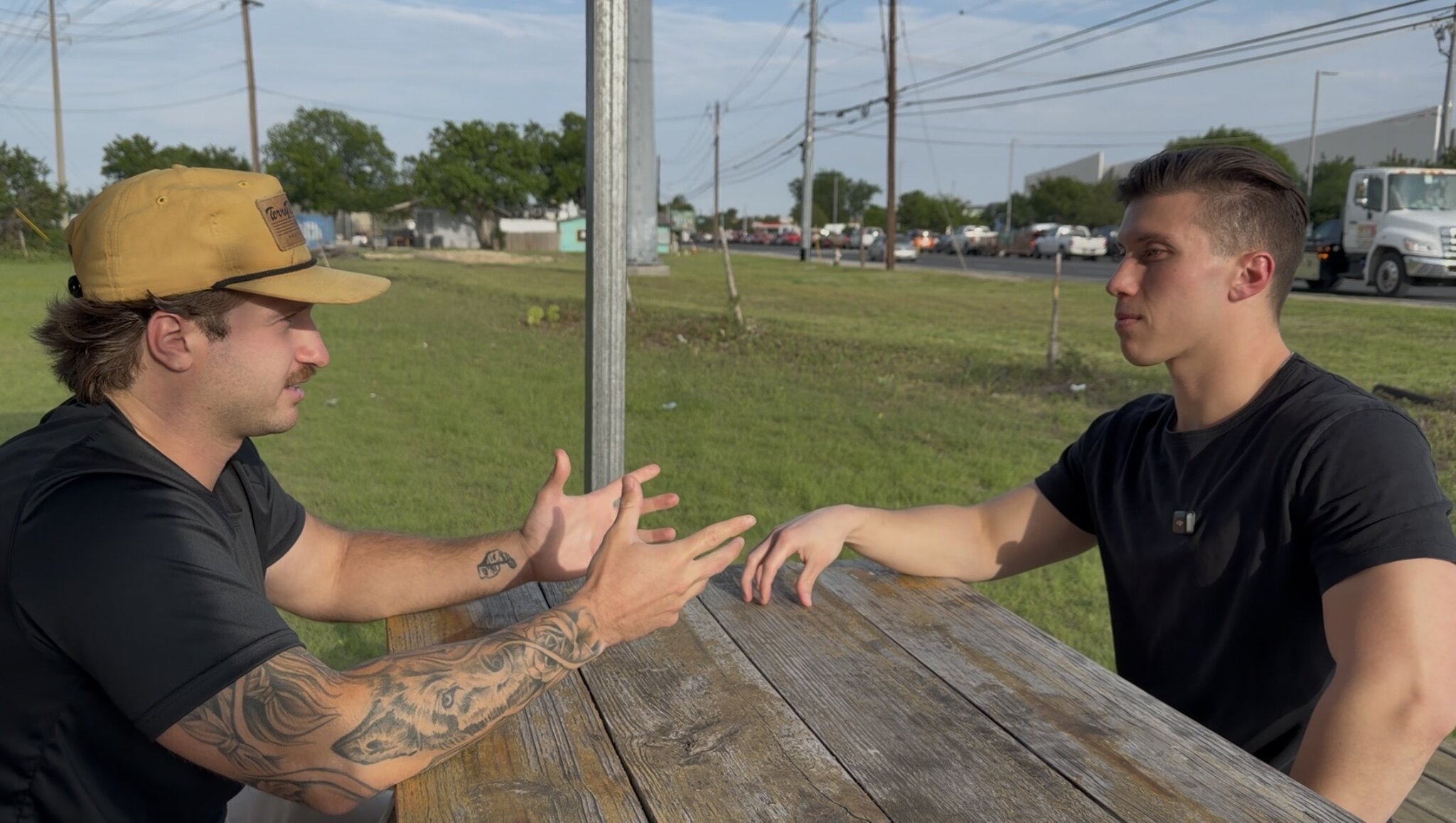
When my brother Cody asked me to build the website for WeSeal, his new window-resealing business, I didn't start with a design or a blank copy doc. I drove to his house with a microphone and had him sell me the way he sells a stranger at the door.
Cody spent years in exterior residential sales, and he already knew how to explain the work, handle every objection, and make a homeowner care about something as unglamorous as a perimeter seal. The pitch, roughly: masonry isn't waterproof, so when the seals around your windows fail, water and air and insects start working their way in, and resealing buys another 7 to 10 years for a fraction of a $30,000 replacement. In WeSeal's first five weeks, that pitch had already closed $12k with no website and no online presence, just door-to-door. My job was never to invent the language. It was to capture how Cody already sells in person, clearly enough that the website could sell the same way.
I'd prepped with a DJI wireless mic and about thirty open-ended questions I had Claude draft. My girlfriend came along to run a second camera for B-roll. We covered the origin story, how he and his co-founder Drew work together, the objections he hears on every doorstep, what he refuses to cut corners on, and what he wants a homeowner to feel after the job is done. Then I had him close me, objection by objection, so the exact language he uses would be on tape. We ate tacos. It was a good afternoon, and I walked away with hours of exactly the raw material I needed.
I transcribed the interview and fed it to Claude, but I did not ask for copy first. I gave it a strategist's brief: read the transcript like an information architect and return the structure. Who visits this site? What are they skeptical of? What does each page need to resolve? Where should the conversion paths go?
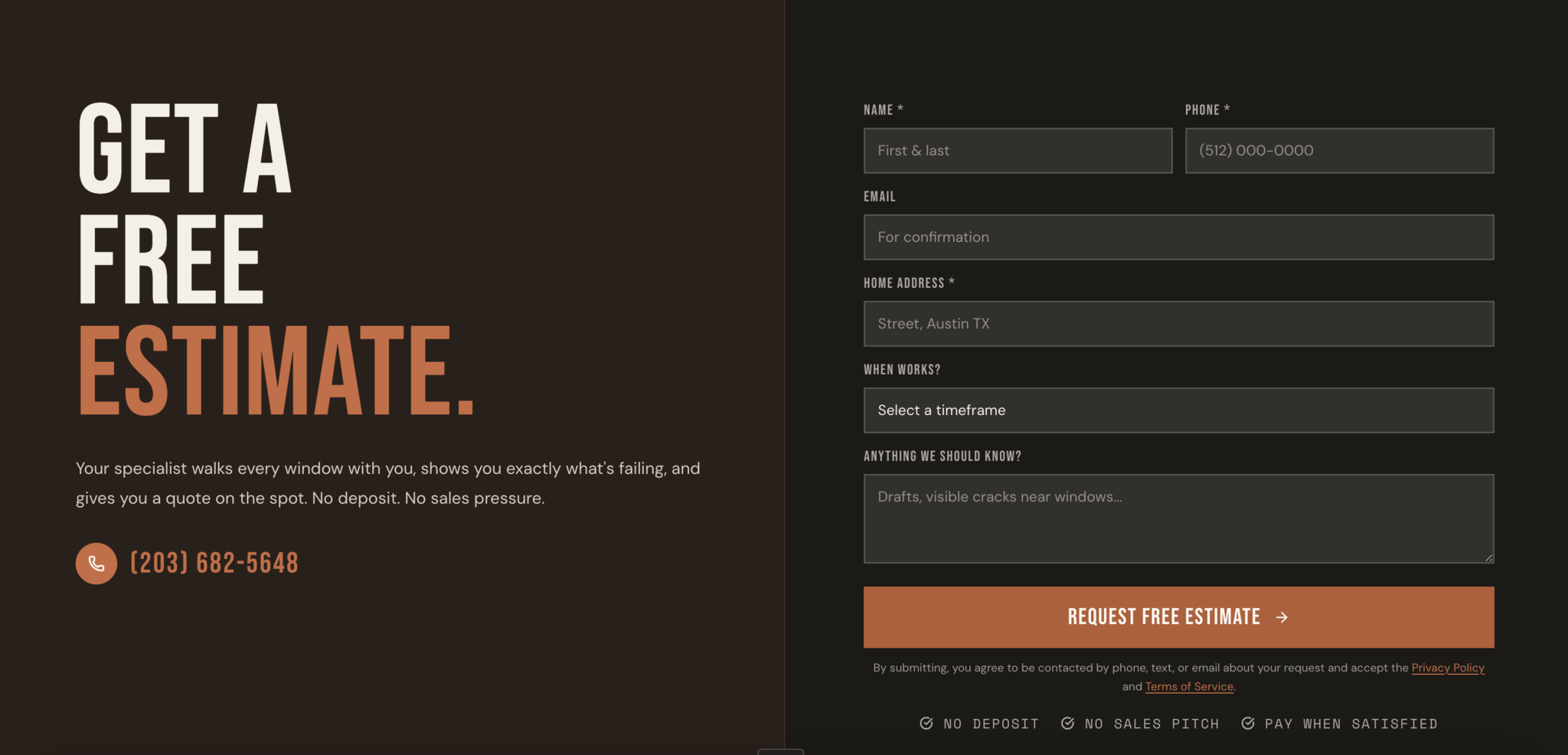
The copy came after that, built around one action: book a free inspection, no deposit, pay when satisfied. Cody's sales experience gave the site its substance. Claude helped organize it. My job was to shape the judgment, sequence, and conversion path.
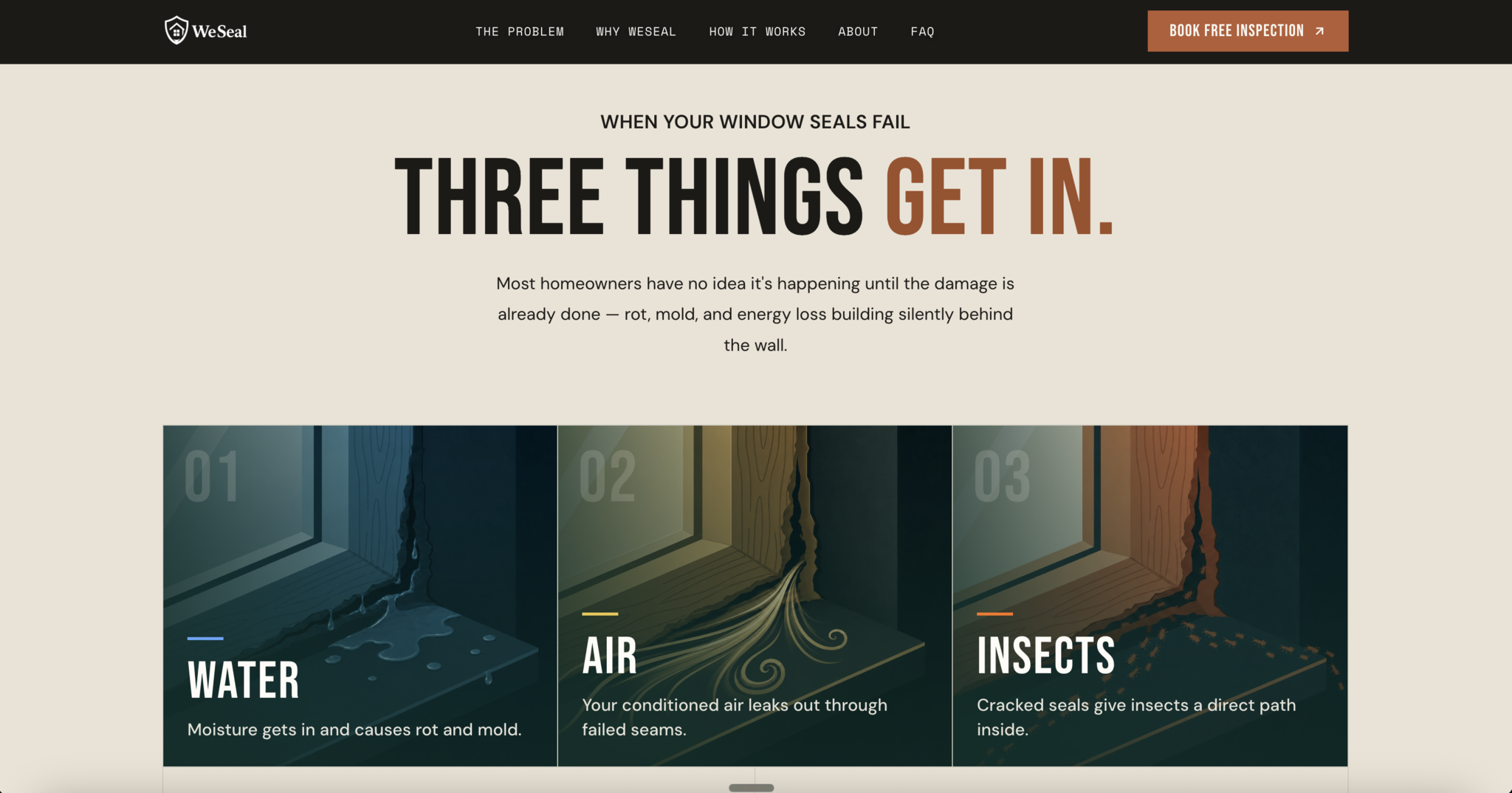
With the strategy in place, I moved into UX Canvas, the design platform I built around a proprietary design AI system I developed. I had Claude turn the project strategy into a context document for the UX Canvas agent, then iterated mostly by voice: select an element, say the change out loud, save the version, keep moving. I made roughly 700 edits.
Because WeSeal was early enough to have no brand system, I generated seven or eight complete homepage directions and put all of them on the first call. Cody and Drew pulled the pieces they liked, I did another pass, and we refined it on a second call. Then I rendered the finished site in twelve color themes and let them choose. They landed on burnt orange, partly because of Austin and the University of Texas pride many of their customers carry.
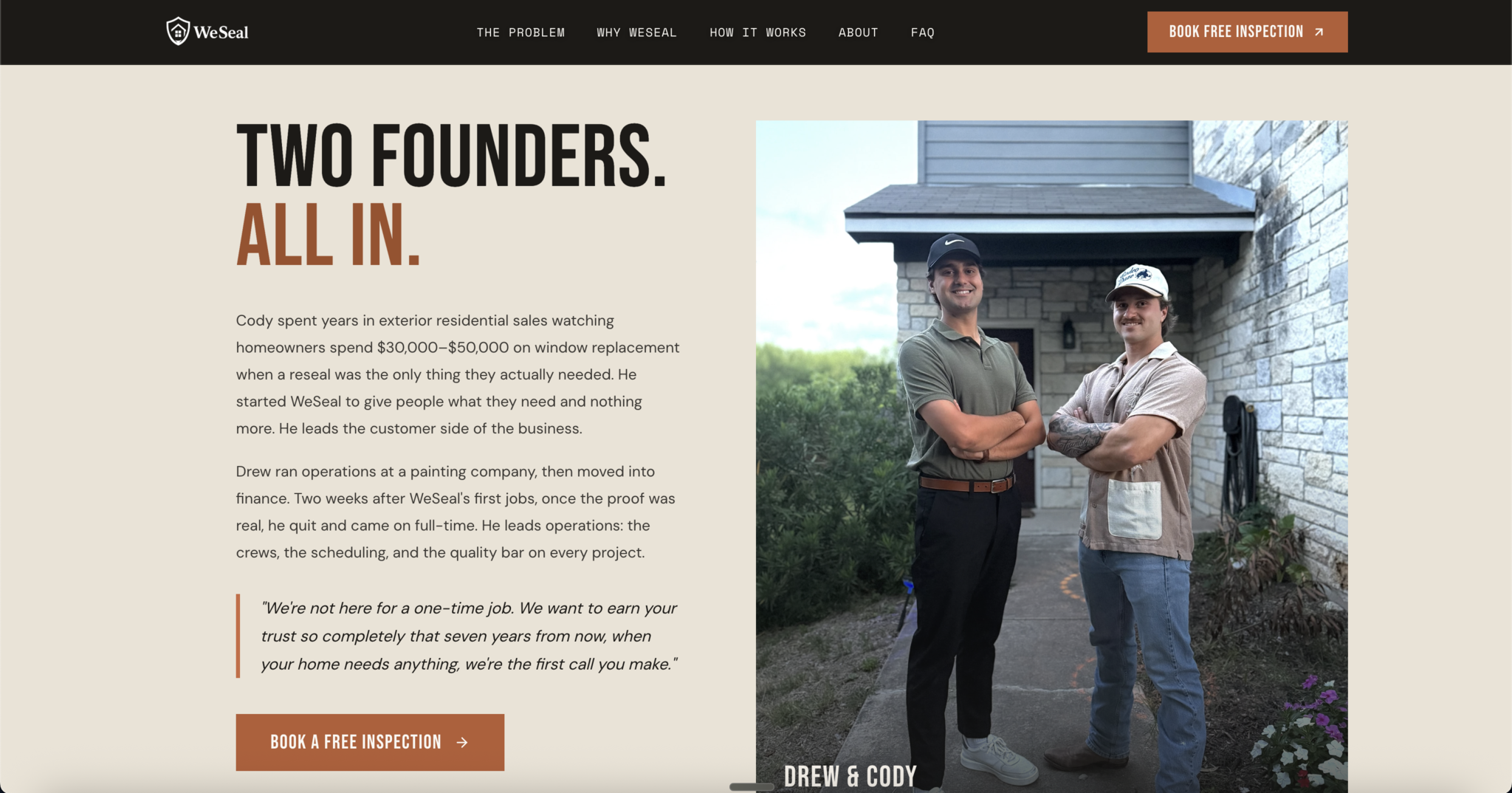
UX Canvas generated the hero background on the live site. The founder photo came from a useful AI miss: it produced a fake "about the founders" image, but the composition was right. I sent it to Cody and Drew and asked them to recreate the pose, lighting, and framing in front of a real house they had worked on. The photo on the site is real; the reference gave us the shot list.
Once the design was set, UX Canvas exported the React and Tailwind behind it. I pointed a coding agent at that code and moved it into a production Next.js site. I shipped it to Vercel and wired the contact form through a server route with validation, sanitization, a honeypot, source attribution, and Discord notifications. For a two-person service business, the important part is simple: when a lead comes in, Cody and Drew can call back immediately.
I treated the site like a product, not a brochure. I reviewed competitors, mapped the local search terms they could realistically own, added LocalBusiness, Service, and FAQ structured data, and handled the usual production details: canonical and social metadata, sitemap and robots, production-only analytics, service-area targeting. I also pushed hard on the founder story, even though they were unsure about it at first. For a local service business, trust is the product. Showing Cody and Drew clearly made the site stronger than another faceless contractor page.
Because proof matters, I also pushed them to collect strong testimonials and document every job. The work page exists for one reason: show the result plainly.
The part I will reuse is the capture process. The interview, the review calls, the objections, the feedback: the sawdust of every conversation became structured context I could feed back into the tools. Cody stayed focused on the customer and the service. My job was to make sure none of it hit the floor, and to turn it into a site that makes WeSeal easier to trust and easier to contact.
Visit: wesealsolutions.com